
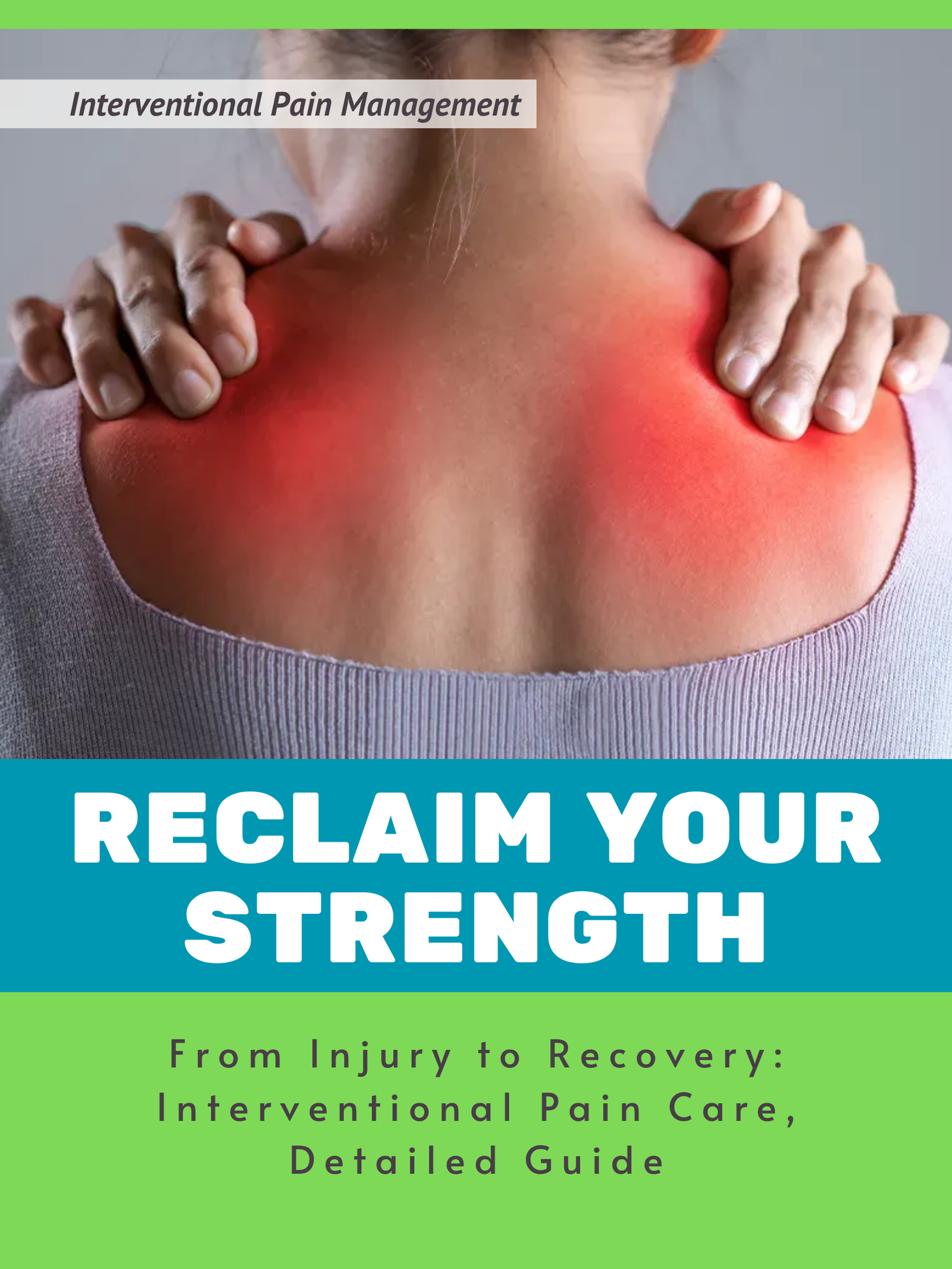
Recovering from an injury—especially after a car accident or sports incident—can be a challenging and frustrating process. While some injuries heal quickly, others can lead to ongoing discomfort that interferes with your daily life. This is where interventional pain management plays a powerful role.
Interventional pain management focuses on diagnosing and treating pain at its source using targeted, minimally invasive procedures. Instead of simply masking symptoms with medication, this approach aims to provide long-term relief and improve overall function.
What Is Interventional Pain Care?
Interventional pain care is a specialized field of medicine that uses advanced techniques to treat acute and chronic pain. These treatments are often guided by imaging technology, allowing physicians to precisely target the affected area.
Common interventional pain treatments include:
- Joint injections
- Nerve blocks
- Epidural steroid injections
- Trigger point injections
- Minimally invasive procedures for spine-related pain
These treatments are especially effective for patients dealing with pain after auto accidents, workplace injuries, or sports-related trauma.
If you want to explore treatment options in more detail, you can visit our interventional pain page to learn about available procedures and how they support recovery.
How Injuries Lead to Chronic Pain
After an accident, your body may experience soft tissue damage, inflammation, or nerve irritation. While some symptoms appear immediately, others develop over time.
Common injury-related conditions include:
- Whiplash
- Back and neck pain
- Herniated discs
- Joint inflammation
- Muscle strain
If left untreated, these conditions can turn into chronic pain. This is why early evaluation and proper treatment are essential.
Visiting an urgent care center soon after an injury ensures that your condition is properly diagnosed and managed before it worsens.
The Role of Interventional Pain in Recovery
Interventional pain care becomes especially important when standard treatments such as rest, medication, or basic therapy are not enough.
Here’s how it supports recovery:
1. Targeted Pain Relief
Instead of treating the whole body, interventional procedures focus directly on the source of pain. This leads to faster and more effective relief.
2. Reduced Dependence on Medication
Many patients rely heavily on pain medications, which only provide temporary relief. Interventional treatments aim to reduce or eliminate the need for long-term medication use.
3. Improved Mobility and Function
By reducing inflammation and nerve irritation, these treatments help restore movement and flexibility.
4. Faster Recovery Time
When pain is controlled effectively, patients can participate more actively in physical therapy and rehabilitation, speeding up recovery.
When Should You Consider Interventional Pain Care?
You may benefit from interventional pain care if:
- Your pain lasts longer than a few weeks
- You experience limited mobility
- Pain interferes with daily activities
- Traditional treatments are not effective
Early intervention by interventional pain management doctors often leads to better outcomes. That’s why combining urgent care evaluation with advanced pain management creates a complete recovery plan.
If you’re located in Florida, visiting our Auto Injury Clinic In Tampa can help you find convenient access to expert care and same-day services.
A Complete Approach to Healing
Recovery is not just about relieving pain—it’s about restoring your quality of life. A comprehensive approach includes:
- Accurate diagnosis
- Immediate care
- Targeted pain treatment
- Rehabilitation planning
- Ongoing monitoring
By combining urgent care services with interventional pain treatments, patients receive both immediate relief and long-term recovery support.
Take the First Step Toward Pain-Free Living
If you’re dealing with pain after a car accident, sports injury, or other trauma, you don’t have to manage it alone.
At Accident Injury Doctors, we provide a complete pathway from injury to recovery. Our team specializes in both urgent care and interventional pain treatments, ensuring you receive the right care at every stage of healing.
We offer:
- Same-day injury evaluations
- Advanced interventional pain procedures
- Personalized treatment plans
- Comprehensive recovery support
Don’t let pain control your life.
📞 Call Pain Management Doctor In Tampa today or visit our clinic to start your recovery journey with expert care you can trust.
Frequently Asked Questions (FAQs)
1. What is interventional pain management and how does it work?
Interventional pain management is a specialized approach that treats pain at its source using minimally invasive procedures like injections or nerve blocks. These treatments target specific areas of the body to reduce inflammation, relieve pain, and improve mobility.
2. When should I see an interventional pain doctor after an injury?
You should consider seeing an interventional pain doctor if your pain lasts more than a few weeks, worsens over time, or does not improve with basic treatments. Early care can prevent long-term complications and speed up recovery.
3. What types of injuries can interventional pain care treat?
Interventional pain care is effective for many conditions, including back pain, neck pain, whiplash, herniated discs, joint pain, and nerve-related injuries. It is especially helpful for pain caused by car accidents or sports injuries.
4. Are interventional pain treatments safe?
Yes, most interventional pain treatments are considered safe when performed by experienced specialists. These procedures are minimally invasive, often guided by imaging technology, and designed to reduce risks while providing effective relief.
5. Do I need a referral to visit an interventional pain clinic?
In many cases, you do not need a referral, especially if you visit an urgent care clinic first. A medical evaluation can help determine if interventional pain treatment is the right next step for your recovery.
Read Our More Related Blogs Here:
7 Signs You Need A Primary Care Doctor Near You ASAP
Concussion Specialist Near Me: Symptoms, Treatment & When to Seek Care
Benefits Of Choosing The Right Urgent Care Clinic After A Car Accident
Benefits Of Visiting A Primary Care Clinic In Your Area Regularly
Broken Toe vs Sprained Toe: How to Tell the Difference and What to Do
