
If you’ve recently been in an accident and are searching for a concussion specialist near me, it’s important to understand that concussions are serious injuries that should never be ignored. Even a mild head injury can affect your brain function and lead to long-term complications if not treated properly.
A concussion is a type of traumatic brain injury (TBI) that occurs when the brain is shaken inside the skull. This can happen during car accidents, sports injuries, or falls. Many people don’t realize they have a concussion right away, which is why early evaluation by a concussion doctor in Tampa is essential.
In this guide, we’ll explain concussion symptoms, causes, treatment options, and when to visit urgent care for proper diagnosis and recovery.
What Is a Concussion?
A concussion is caused by a sudden impact or movement that forces the brain to move rapidly within the skull. This can disrupt normal brain function.
Even if you didn’t lose consciousness, you may still have a concussion. That’s why it’s important to be evaluated by experienced concussion physicians after any head injury.
Common Causes of Concussion Injuries
Concussions can happen in many situations, but some of the most common causes include:
- Car accidents
- Sports injuries
- Falls or slips
- Workplace accidents
- Direct blows to the head
Among these, car accidents are one of the leading causes of concussions due to the sudden force involved.
Concussion Injuries from a Car Accident
During a car crash, your head may hit the steering wheel, dashboard, or window. Even if there is no direct impact, the rapid movement of the head can still cause a concussion.
Why Car Accidents Cause Concussions
- Sudden acceleration and deceleration
- Whiplash motion
- Head impact with surfaces
This is why many people experience symptoms hours or even days after the accident.
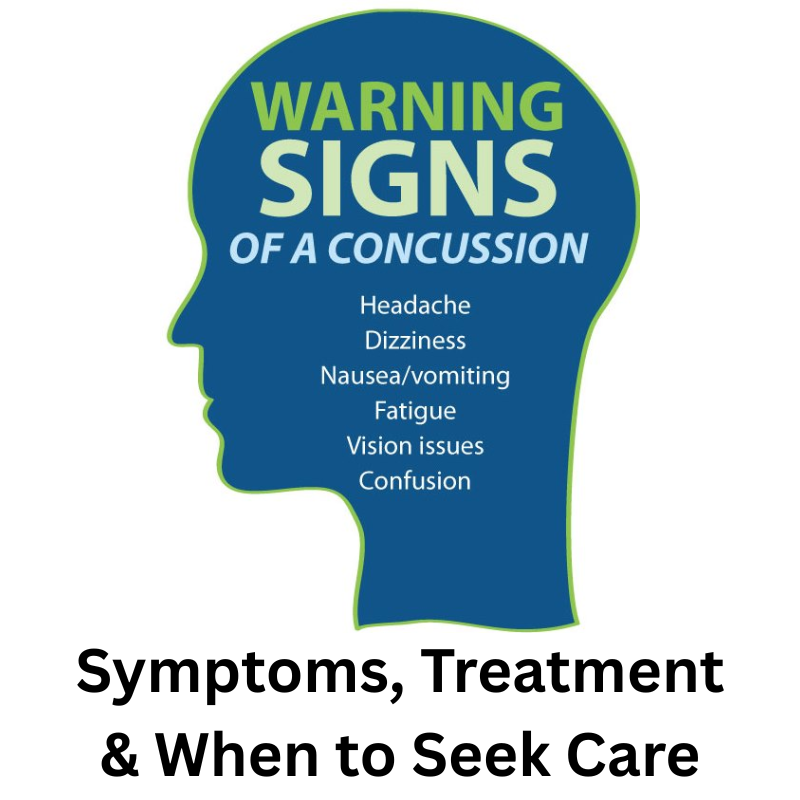
Symptoms of a Concussion
Recognizing symptoms early can help you seek timely treatment.
Common Symptoms Include:
- Headache or pressure in the head
- Dizziness or balance problems
- Nausea or vomiting
- Confusion or difficulty concentrating
- Memory problems
- Sensitivity to light or noise
- Blurred vision
- Fatigue or drowsiness
In some cases, symptoms may appear later, so it’s important to monitor your condition after an injury.
Urgent Care for Concussion Injury
If you suspect a concussion, visiting urgent care is a smart and fast option. Searching for a concussion specialist near me can help you find immediate medical support.
Urgent care centers provide:
- Quick medical evaluations
- Neurological assessments
- Imaging tests if needed
- Guidance for recovery
Getting early care ensures proper diagnosis and reduces the risk of complications.
Treatment Options for Concussion Injuries
Treatment focuses on allowing the brain to heal while managing symptoms.
1. Rest and Recovery
Physical and mental rest is the most important part of concussion recovery. Avoid activities that strain the brain, such as:
- Screen time
- Reading
- Physical exertion
2. Gradual Return to Activities
As symptoms improve, you can slowly return to normal activities under medical guidance.
3. Pain Management
Doctors may recommend medications to manage headaches and discomfort.
4. Cognitive Therapy
In some cases, therapy may be needed to help with memory, concentration, and thinking skills.
5. Monitoring and Follow-Up
Regular checkups with concussion physicians ensure that recovery is progressing properly.
When to Visit an Urgent Care Center
You should seek medical attention immediately if you experience:
- Severe or worsening headache
- Repeated vomiting
- Loss of consciousness
- Confusion or unusual behavior
- Difficulty waking up
- Numbness or weakness
Even mild symptoms should be evaluated to prevent complications.
Why Early Treatment Is Important
Ignoring a concussion can lead to serious problems such as:
- Prolonged symptoms
- Memory issues
- Difficulty concentrating
- Increased risk of future injuries
Early diagnosis and proper concussion injury treatment help ensure a safe and complete recovery.
Tips for Faster Concussion Recovery
- Get plenty of rest
- Avoid physical activity until cleared by a doctor
- Limit screen time
- Stay hydrated
- Follow your doctor’s instructions
Recovery time varies from person to person, but proper care can speed up the healing process.
Get Expert Care from a Concussion Specialist
If you’re in Tampa, Florida and searching for a concussion specialist near me, it’s important to choose a clinic that understands accident-related injuries and provides comprehensive care.
At Accident Injury Doctors, our experienced team specializes in diagnosing and treating concussion injuries caused by car accidents and other incidents. We offer same-day evaluations, neurological assessments, and personalized treatment plans to support your recovery.
If you are experiencing symptoms like headaches, dizziness, or confusion after an accident, visit our urgent care clinic today or contact us through our website to schedule your evaluation. Early care can help you recover safely and prevent long-term complications.
Frequently Asked Questions (FAQs)
1. How do I know if I need a concussion specialist?
If you have symptoms like headaches, dizziness, confusion, or memory problems after a head injury, you should see a concussion doctor for proper evaluation and treatment.
2. Can a concussion go away on its own?
Some mild concussions may improve with rest, but medical evaluation is still important. Without proper care, symptoms can worsen or last longer.
3. How long does concussion recovery take?
Recovery time varies, but most people recover within a few weeks. More severe cases may take longer and require ongoing treatment.
4. Should I go to urgent care for a concussion?
Yes, urgent care is a good option for evaluating concussion symptoms. Medical professionals can assess your condition and recommend the right treatment.
5. What is the best treatment for a concussion?
The best treatment includes rest, gradual return to activities, symptom management, and follow-up care with experienced concussion physicians.
Read Our More Related Blogs Here:
7 Signs You Need A Primary Care Doctor Near You ASAP
Broken Toe vs Sprained Toe: How to Tell the Difference and What to Do
Workouts for Shoulder Pain: Safe Exercises for Shoulder Joint Relief
Hip Hurts When Walking? Causes, Treatment & When to Seek Care
Sprain or Fracture Finger? How to Tell the Difference and What to Do
